Missed appointments are a frustrating reality for dental and medical clinics. A patient books a slot, the staff prepares for the visit, and then... nobody shows up. It happens more often than many clinics would like.
For healthcare providers, no-shows create gaps in the schedule, reduce revenue, and waste valuable time. For patients, missed visits can delay treatment, follow-up care, or preventive services. Over time, these missed opportunities can affect both clinic performance and patient health outcomes.
Traditionally, clinics have relied on manual phone calls, text messages, or emails to remind patients about upcoming appointments. While these methods still help, they often require significant staff effort and don't always get a response.
This is where AI appointment reminders are changing things. Instead of sending a simple reminder and hoping for the best, AI-powered systems can communicate with patients, confirm appointments, handle rescheduling requests, and keep conversations moving without adding more work to the front desk team.
In this article, we'll explore how AI appointment reminders help dental and medical clinics reduce no-show rates, improve patient communication, and create a smoother scheduling process for everyone involved.
The Real Cost of Patient No-Shows
Many clinic owners think of a missed appointment as a small inconvenience. In reality, the impact can be much bigger.
Lost Revenue
Every empty appointment slot represents revenue that cannot be recovered once the time has passed.
A missed dental cleaning may cost a clinic a few hundred dollars. A missed specialist consultation or treatment appointment can cost even more. Multiply that across several no-shows each week, and the financial impact becomes hard to ignore. For smaller practices, even a few missed appointments can affect monthly revenue targets.
Wasted Provider Time
Doctors, dentists, hygienists, nurses, and administrative staff all prepare for patient visits. When a patient doesn't arrive, that preparation time is wasted. Providers may have idle periods in their schedules, while support staff spend time trying to contact patients or rearrange appointments.
Frankly, it's irritating when schedules that were carefully planned suddenly develop unexpected gaps.
Scheduling Gaps
No-shows make scheduling less predictable. A clinic may have patients waiting weeks for appointments while available slots go unused because another patient failed to attend. This creates inefficiencies that affect both patients and staff.
Reduced Patient Outcomes
Missed appointments don't just impact clinic operations. Patients who skip follow-ups, preventive care, or treatment sessions may experience delayed diagnoses or slower recovery.
For healthcare providers focused on patient outcomes, this can be one of the most concerning effects of no-shows.
Why Patients Miss Medical and Dental Appointments
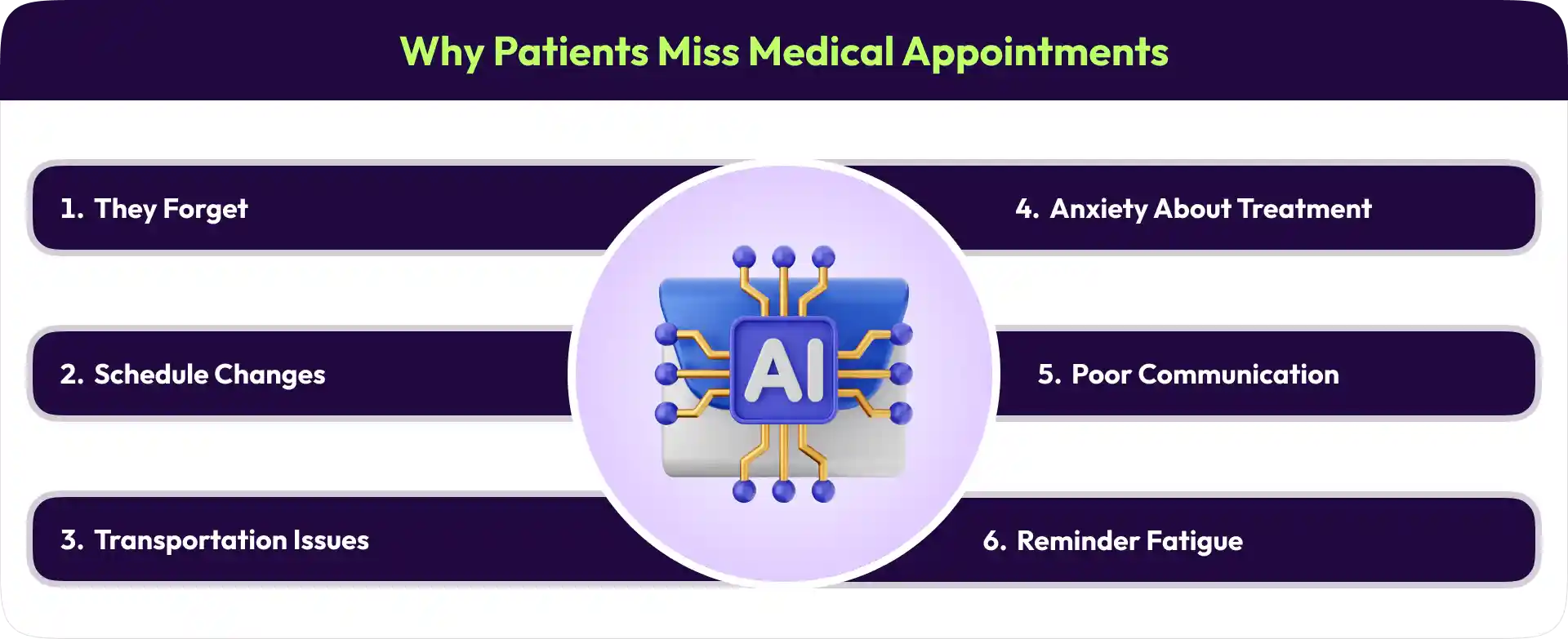
Understanding why patients miss appointments is important before trying to solve the problem. The truth is that most no-shows aren't intentional.
They Forget
Life gets busy between work, family responsibilities, school events, and daily commitments, and appointments can simply slip through the cracks. A patient who booked an appointment three weeks ago may honestly forget it was scheduled.
Schedule Changes
Unexpected meetings, childcare issues, travel plans, or work emergencies can create conflicts. When patients don't have an easy way to reschedule, some simply don't show up.
Transportation Issues
Not everyone has reliable transportation. Traffic, vehicle problems, public transport delays, or weather conditions can all prevent patients from arriving on time.
Anxiety About Treatment
This is especially common in dental practices. Some patients feel nervous about procedures and may delay or avoid appointments altogether. It's not always logical, but it's very human.
Poor Communication
Sometimes patients never receive the reminder. Phone numbers change. Emails go to spam folders. Messages are overlooked. Without effective communication, attendance rates can suffer.
Reminder Fatigue
People receive dozens of notifications every day. Generic reminder messages can blend into the background and get ignored. If the reminder feels robotic or irrelevant, there's a good chance the patient won't engage with it.
What Are AI Appointment Reminders?
AI appointment reminders are automated communication systems that help healthcare providers remind patients about upcoming visits and manage appointment-related interactions. Unlike traditional reminders that simply send a message, AI systems can respond to patients and continue the conversation.
These reminders may be delivered through:
- SMS text messages
- AI voice calls
- Email reminders
- WhatsApp messages
- Automated follow-up communications
For example, instead of sending: "Your appointment is tomorrow at 2:00 PM."
An AI reminder might say: "Your appointment is tomorrow at 2:00 PM. Would you like to confirm, reschedule, or speak with the clinic?"
That small difference can significantly improve patient engagement. Patients can take action immediately instead of calling the clinic later.
How AI Appointment Reminder Systems Work
The process is usually straightforward.
Appointment Syncing
The AI system connects with the clinic's scheduling platform. Once appointments are booked, reminder workflows can begin automatically. No manual effort is required from staff.
Automated Outreach
The system sends reminders at predetermined intervals. Many clinics choose reminders several days before the appointment and then again closer to the scheduled time. This helps keep the appointment top of mind.
Confirmation Requests
Patients can confirm attendance directly through text, voice, email, or messaging platforms. This gives clinics greater visibility into upcoming schedules.
Rescheduling Options
If a patient can't attend, the AI system can guide them through available rescheduling options. This reduces the likelihood of a complete no-show. Instead of losing the appointment entirely, the clinic retains the patient relationship.
Follow-Up Automation
The process doesn't have to end after the appointment. AI systems can send follow-up messages, patient satisfaction surveys, treatment reminders, or future scheduling recommendations. This creates a more connected patient experience.
7 Ways AI Appointment Reminders Reduce No-Shows
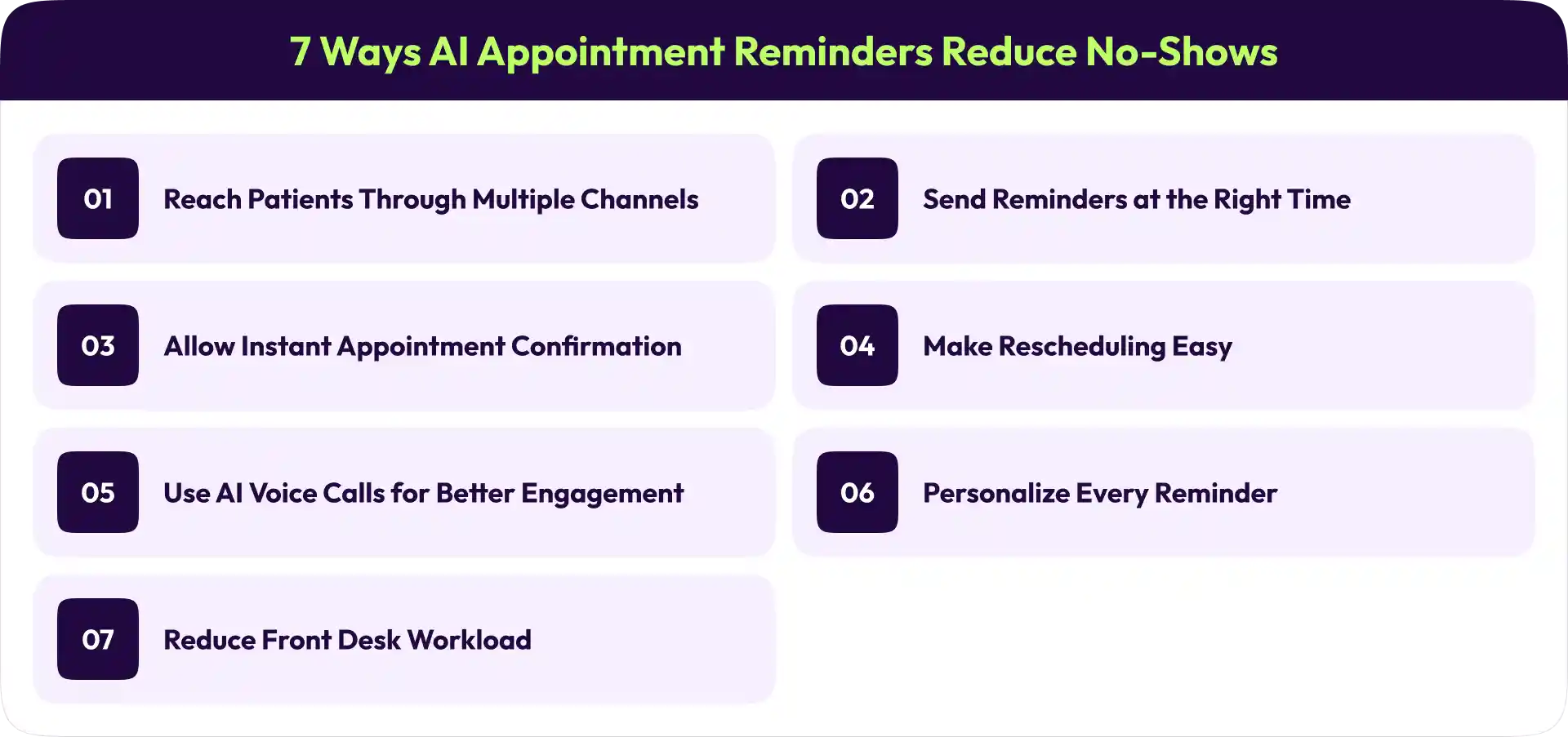
1. Reach Patients Through Multiple Channels
Every patient has different communication preferences. Some respond quickly to text messages. Others prefer phone calls. Some check email regularly, while others practically ignore it. AI reminder systems can use multiple channels to improve reach. When clinics communicate through the patient's preferred method, response rates often improve.
2. Send Reminders at the Right Time
Timing matters. Sending a reminder two weeks before an appointment may not be enough. Sending it one hour before may be too late.
Many successful clinics use a sequence such as:
- 7 days before
- 48 hours before
- 24 hours before
- Same-day reminder
This approach helps patients remember appointments without overwhelming them.
3. Allow Instant Appointment Confirmation
Patients appreciate convenience. When someone can confirm attendance with a quick reply, they're more likely to engage. The fewer steps involved, the better. A simple confirmation process also gives clinics more confidence in their schedules.
4. Make Rescheduling Easy
Patients occasionally need to change plans. The key is making rescheduling simple. AI systems can guide patients through available appointment options without requiring a phone call during office hours. This helps clinics recover appointments that might otherwise become no-shows.
5. Use AI Voice Calls for Better Engagement
Text messages work well, but they don't always reach everyone. Many healthcare providers have noticed that older patients are more likely to answer phone calls than respond to texts. That's where AI voice reminders can make a difference.
Instead of receiving a generic robocall, patients can interact with an AI voice agent that sounds natural and conversational. For example:
"Hello Sarah, this is a reminder about your dental appointment on Thursday at 10:00 AM. Would you like to confirm or reschedule?"
The patient can respond immediately, making the process feel much easier.
6. Personalize Every Reminder
Patients are more likely to respond when communication feels relevant. AI systems can personalize reminders using information such as:
- Patient name
- Appointment type
- Provider name
- Clinic location
- Appointment date and time
A personalized message feels more helpful and less like another notification that gets ignored.
7. Reduce Front Desk Workload
Front desk teams already manage calls, scheduling, insurance verification, patient questions, and paperwork. Adding hundreds of reminder calls every week can quickly become overwhelming.
AI appointment reminders handle much of this routine communication automatically, allowing staff to focus on patients who need direct assistance. The result is often a smoother workflow and less administrative pressure.
Real-World Use Cases
Dental Clinics
Dental practices frequently deal with missed cleanings, checkups, orthodontic appointments, and treatment visits. A patient may schedule a cleaning six months in advance and completely forget about it.
AI reminders help keep these appointments visible while giving patients a quick way to confirm or adjust their schedules.
Primary Care Clinics
Primary care providers often manage large patient volumes. Annual wellness visits, chronic disease follow-ups, vaccinations, and routine consultations can all benefit from automated reminders.
Reducing no-shows helps providers maintain continuity of care and improve scheduling efficiency.
Specialty Clinics
Specialty practices often schedule appointments weeks or even months ahead. Examples include:
- Cardiology appointments
- Dermatology consultations
- Physical therapy sessions
- Orthopedic visits
- Women's health appointments
Longer scheduling windows increase the chance of patients forgetting appointments, making proactive reminders especially valuable.
Best Practices for Reducing No-Shows With AI
Technology alone won't solve the problem. The strategy behind it matters too.
Use a Multi-Touch Reminder Strategy
One reminder is rarely enough. Many clinics achieve better results by using multiple reminders throughout the patient journey.
A common approach includes:
- 7 days before
- 48 hours before
- 24 hours before
- 2-3 hours before
This sequence helps keep appointments top of mind without becoming excessive.
Offer Easy Rescheduling
Patients appreciate flexibility. If someone cannot attend, they should be able to request a new appointment quickly. The easier it is to reschedule, the less likely the clinic is to lose that appointment altogether.
Personalize Patient Communication
Generic reminders often get ignored. Using the patient's name, appointment details, and provider information can improve engagement and response rates.
Not every reminder strategy works equally well. Clinics should monitor:
- Confirmation rates
- Response rates
- No-show percentages
- Rescheduling requests
These insights help optimize communication over time.
Key Features to Look for in an AI Appointment Reminder Solution
Not all solutions offer the same capabilities. When evaluating options, healthcare providers should look for:
- AI Voice Calling: Automated voice conversations that allow patients to confirm or reschedule appointments.
- SMS Automation: Text reminders remain one of the most effective communication channels.
- Appointment Confirmations: Patients should be able to confirm attendance instantly.
- Calendar Integrations: The system should connect with existing scheduling software to avoid manual work.
- Two-Way Communication: Patients need more than reminders. They need the ability to respond.
- Analytics and Reporting: Tracking appointment outcomes helps clinics measure success.
- Compliance and Security: Healthcare providers should ensure patient information is handled securely and according to applicable regulations.
The Future of Patient Engagement With AI
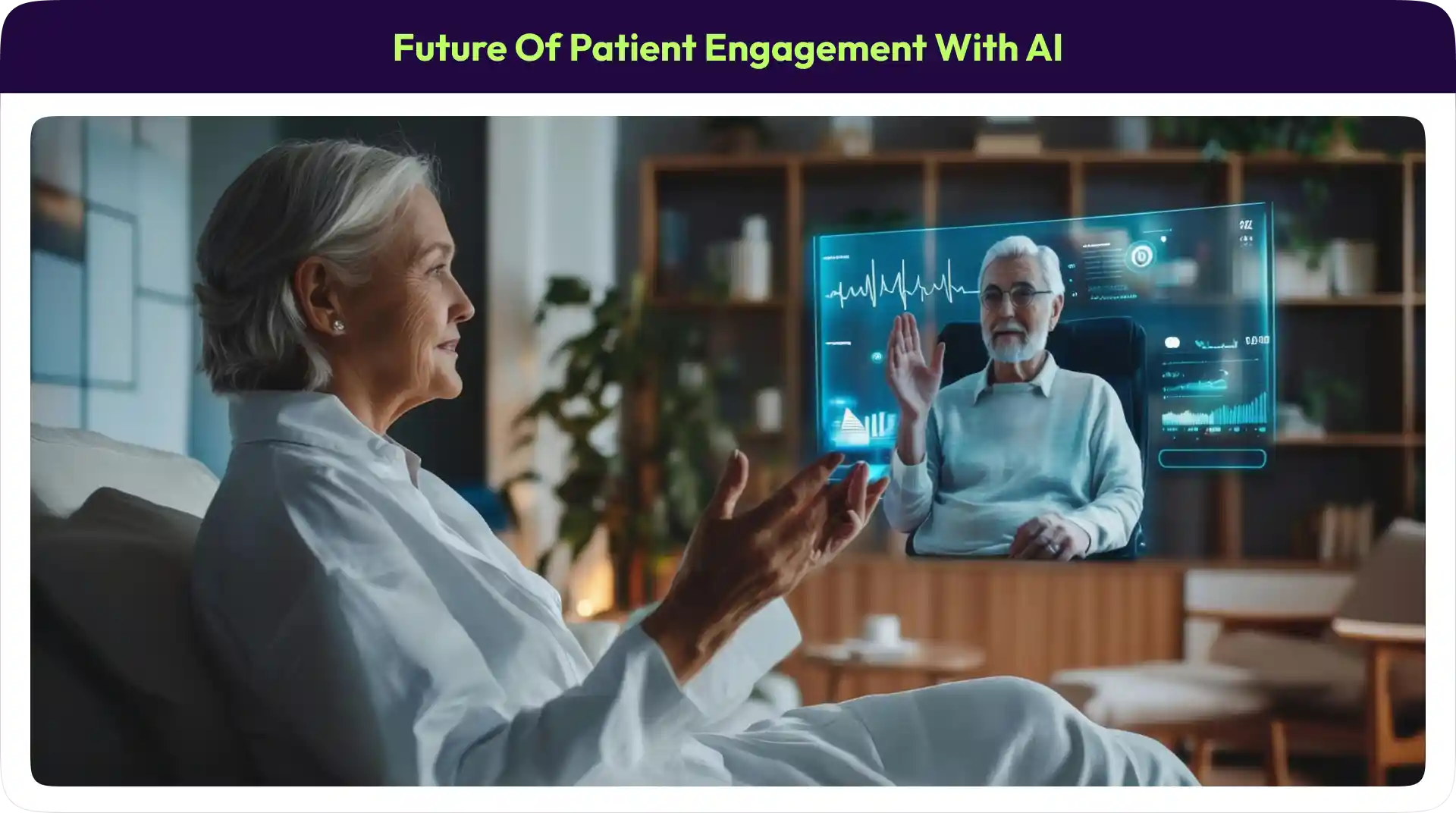
Healthcare communication continues to evolve. AI appointment reminders are only the beginning. Many clinics are now exploring:
Conversational AI
Patients can ask questions, receive information, and complete routine tasks through AI-powered conversations.
AI Voice Agents
Voice AI Agent can handle appointment scheduling, confirmations, follow-ups, and common patient inquiries around the clock.
Predictive No-Show Prevention
Advanced AI systems may identify patients who are at higher risk of missing appointments and trigger additional outreach automatically.
Automated Patient Journeys
Healthcare workflows will likely include automated communication throughout the entire patient lifecycle, from scheduling to post-visit follow-ups.
The goal isn't to replace human staff. It's to help teams spend less time on repetitive administrative work and more time supporting patients.
How Alris AI Helps Clinics Reduce No-Shows and Improve Patient Engagement
Managing appointments, reminders, confirmations, and follow-ups can place a significant burden on healthcare staff. Alris AI helps dental and medical clinics automate these routine interactions through intelligent AI voice agents and patient communication workflows.
With Alris AI, clinics can:
- Send automated appointment reminders
- Confirm appointments through natural conversations
- Allow patients to reschedule without staff intervention
- Conduct follow-up outreach automatically
- Handle patient inquiries 24/7
- Reduce front desk workload
- Improve patient communication and engagement
Rather than spending hours making reminder calls, clinic teams can focus on delivering quality care while AI manages repetitive scheduling tasks in the background.
What We've Learned From Healthcare Scheduling Trends
- Across healthcare organizations, several patterns continue to emerge.
- Patients are more likely to respond when they can immediately confirm or reschedule an appointment.
- Multi-channel communication generally performs better than relying on a single reminder method.
- Voice reminders remain particularly effective for older patient populations who may not regularly engage with text messages.
- Most importantly, convenience matters. When patients can manage appointments quickly and easily, attendance rates often improve.
- Sometimes the difference between a completed appointment and a missed one is simply making it easier for patients to take action.
Conclusion
No-shows remain one of the biggest operational challenges for dental and medical clinics. They create scheduling gaps, reduce revenue, increase administrative workload, and can negatively affect patient outcomes. AI appointment reminders offer a practical way to address these challenges.
By combining automated outreach, two-way communication, appointment confirmations, and simple rescheduling options, clinics can improve attendance while creating a better experience for patients. As healthcare organizations continue to embrace automation, AI-powered patient communication is becoming less of a luxury and more of an operational necessity.
For clinics looking to reduce missed appointments and improve efficiency, now may be the right time to rethink how appointment reminders are handled.
Frequently Asked Questions (FAQs)
1. What are AI appointment reminders?
AI appointment reminders are automated systems that remind patients about upcoming appointments through text messages, voice calls, email, or messaging platforms. They can also handle confirmations and rescheduling requests.
2. How do AI appointment reminders reduce patient no-shows?
They help patients remember appointments, provide timely follow-ups, and make it easy to confirm or reschedule visits, reducing the likelihood of missed appointments.
3. Are AI reminders better than manual appointment reminder calls?
AI reminders can handle a larger volume of patient communications, operate 24/7, and provide instant responses while reducing the workload on clinic staff.
4. Can AI appointment reminders help dental clinics improve patient attendance?
Yes. Dental clinics often schedule appointments months in advance. AI reminders help patients stay informed and reduce forgotten appointments.
5. What communication channels can AI appointment reminder systems use?
Most systems support SMS, voice calls, email, WhatsApp, and other digital communication channels.
6. How often should clinics send appointment reminders?
Many clinics use a sequence that includes reminders 7 days before, 48 hours before, 24 hours before, and on the day of the appointment.
7. Can AI appointment reminders automatically reschedule missed appointments?
Many modern AI solutions allow patients to request appointment changes and receive alternative scheduling options automatically.